Quick Answer
-
Yes, Pakistanis can own freehold property in Dubai's designated areas.
-
Dubai law applies the same ownership rules to every foreign nationality.
-
A valid passport is enough to buy; a UAE visa is not required.
-
The Dubai Land Department charges a 2% transfer fee to each side.
-
Pakistan tax residents must report Dubai property to FBR above set thresholds.
Families in Lahore, Karachi and Islamabad keep asking the same question: can Pakistanis buy property in Dubai, or is it only for residents and Gulf nationals? The short answer is yes. The longer answer involves two sets of rules, one in Dubai and one at home, and most guides only explain the first.
Split the question in two. Dubai law decides where you can buy, what it costs, and whether you can get a visa. Pakistani law decides what you must declare to FBR and how your money should leave the country. With both sides clear, buying becomes simple rather than risky.
This guide covers the ownership rights Dubai gives Pakistani buyers, the exact fees the Dubai Land Department charges, and the two residency routes linked to property. It also explains the Pakistani tax and foreign exchange rules that most competing guides leave out, so you can buy with full confidence.
Dubai's Ownership Rules for Pakistanis
Pakistanis buy property in Dubai under the same law that covers every foreign buyer. The table below shows what that law allows.
|
Right |
Who can hold it |
Time limit |
|
Full ownership anywhere in Dubai |
UAE and GCC nationals and their fully owned companies |
None |
|
Freehold ownership |
Non-UAE nationals, in areas set by the Ruler |
None |
|
Usufruct or leasehold |
Non-UAE nationals, in areas set by the Ruler |
Up to 99 years |
A Pakistani buyer has strong rights, but only inside specific zones.
Freehold Areas Only
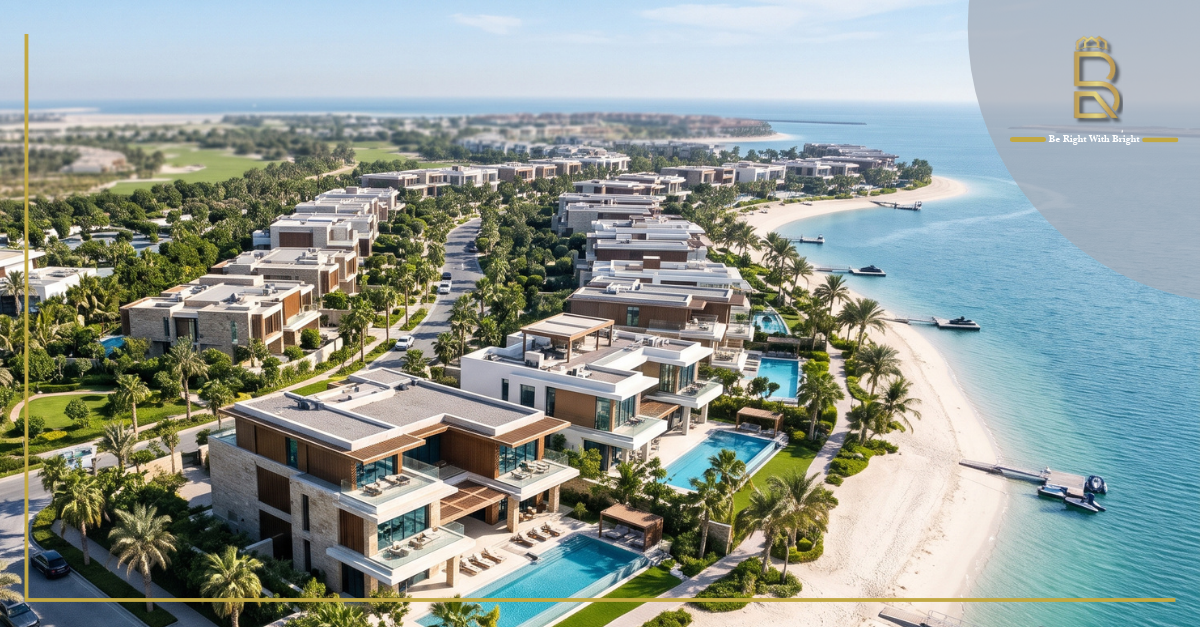
Article 4 of Dubai's property registration law limits full ownership to UAE and GCC nationals. It then lets non-UAE nationals own property in areas the Ruler sets. The regulation that names these areas originally listed 23 of them. They include:
-
Dubai Marina
-
Palm Jumeirah and Palm Jebel Ali
-
Emirates Hills 1, 2 and 3
-
The World Islands
-
Jebel Ali, Al Barsha South and Mirdif plots
The rule ties ownership to specific plots on official maps. So confirm a project's freehold status with DLD before you pay anything.
No Nationality Limits
The law groups buyers into two classes: UAE and GCC nationals on one side, and all non-UAE nationals on the other. It does not name any country or treat Pakistanis differently.
-
A Pakistani passport gives the same rights as a British or Canadian one
-
No local partner or sponsor is needed to buy
-
You can own one unit or several in your own name
This equal treatment keeps the legal side simple for Pakistani buyers.
Freehold Versus Leasehold
The law offers foreign buyers two types of rights:
-
Freehold: ownership with no time restriction
-
Usufruct or leasehold: use of the property for up to 99 years
Always check which right your title deed will show. Our UAE real estate guide for Pakistani investors compares freehold zones across the wider UAE.
Dubai's rules give Pakistanis clear and secure ownership rights inside freehold areas. Nationality plays no part in the decision, but location does. Once you know where you can buy, the next step is knowing what the purchase will cost.
What Buying Costs in Dubai
The Dubai Land Department publishes its fees openly. The figures below come straight from the DLD property sale registration service.
|
Fee |
Amount |
|
Transfer fee, buyer |
2% of the sale value |
|
Transfer fee, seller |
2% of the sale value |
|
Title deed issuance |
AED 250 |
|
Villa or apartment map |
AED 250 |
|
Knowledge and innovation fees |
AED 10 each |
|
Service partner fee |
AED 4,000 + VAT at AED 500,000 or more; AED 2,000 + VAT below |
These fees apply to every buyer, whatever their nationality.
DLD Transfer Fee
Many websites say the buyer pays a flat 4%. DLD's own page lists the fee as 2% for the seller and 2% for the buyer. In practice, the split is agreed between the two sides.
-
Write who pays what into your sale agreement
-
Check the agreed split before you transfer any deposit
-
Ask the agent to show the DLD fee in writing
Getting this right early can save you a large sum.
Registration Add-Ons
On top of the transfer fee, DLD charges smaller fixed amounts:
-
AED 250 for the title deed certificate
-
AED 250 for a villa or apartment map
-
AED 10 knowledge fee and AED 10 innovation fee
-
Service partner fee of AED 2,000 or AED 4,000 plus VAT
These costs are small next to the transfer fee, but they belong in your budget from day one.
Documents You Need
DLD's sale registration page asks non-resident foreigners for a valid passport. For freehold properties, it also requires a no-objection certificate from the developer, issued through the Dubai REST app.
-
Valid Pakistani passport
-
Developer e-NOC for freehold units, through the Dubai REST app
-
Buyer details entered by Emirates ID or passport number
Notice that a UAE residence visa is not on the list. You can buy as a non-resident.
Dubai's buying costs are clear and published by the government itself. The 2% transfer fee is the biggest item, and the rest are modest fixed charges. With the costs in hand, many buyers then ask whether the property can also bring them a visa.
Residency Through Dubai Property
Owning property in Dubai can open the door to UAE residency. DLD runs two separate routes, and the table below compares them.
|
Feature |
Investor residence visa |
Golden Visa |
|
Minimum property value |
None for a sole owner |
AED 2 million at purchase |
|
Co-owner rule |
Share of at least AED 400,000 |
Must be wholly owned by the investor |
|
Mortgaged property |
Not stated |
Allowed with a bank no-objection letter |
|
Family sponsorship |
Documents listed for spouse, children and parents |
Spouse, children and parents |
Each route suits a different budget.
Investor Residence Visa
The DLD investor visa service says a sole owner may apply "regardless of the property value." A co-owner qualifies if their share is worth at least AED 400,000.
-
Required documents include your passport and title deed
-
A good conduct certificate issued in Dubai is also listed
-
The applicant attends a medical examination at the centre
It is the lowest-cost property route DLD lists, which suits first-time Pakistani buyers.
Golden Visa Route
The DLD Golden Visa service requires a property worth AED 2 million or more at the time of purchase. It must be wholly owned by the investor, either as one property or several in the applicant's name.
-
10-year renewable residence permit
-
Can sponsor a spouse, children, and parents
-
Mortgaged property allowed with a bank no-objection letter
For a full breakdown, read our guide to the Dubai Golden Visa for Pakistanis.
Key Visa Conditions
DLD's Golden Visa page sets a few practical rules:
-
The applicant must be inside the UAE
-
Only the applicant may attend, with no representatives
-
The 10-year investor permit costs AED 9,884.75 in total
-
Family and parents' permits cost AED 5,774.50 each
Plan a trip to Dubai for the visa stage, even if you buy the property remotely.
Property can bring real residency benefits, from a low-cost investor visa to a 10-year Golden Visa. The right route depends on your budget and whether you buy alone or with family. Before you pay for any of it, though, you need to check the rules that apply back home in Pakistan.
Pakistan's Rules Before You Buy
Dubai's rules decide whether you can buy. Pakistan's rules decide what you must report and how your money should move. The table below shows how your tax residency changes your duties.
|
Your status |
FBR foreign assets statement |
Pakistan tax return |
|
Resident, foreign assets of USD 100,000 or more |
Required |
Required |
|
Resident, foreign income of USD 10,000 or more |
Required |
Required |
|
Non-resident individual |
Not required under section 116A |
Not triggered by section 116A |
These duties are easy to miss. Here is what each one involves.
Tax Residency Test
Pakistan's Income Tax Ordinance treats you as resident if, among other tests, you spend 183 days or more in Pakistan in the tax year.
-
Living and working in Pakistan usually makes you resident
-
Working abroad for most of the year may make you non-resident
-
Check your days in Pakistan before you buy, not after
Your residency status shapes every FBR duty linked to your Dubai property.
Foreign Assets Statement
Section 116A of the Income Tax Ordinance requires every resident individual with foreign assets worth at least USD 100,000, or foreign income of at least USD 10,000, to file a foreign income and assets statement. It must show:
-
Total foreign assets and liabilities on the last day of the tax year
-
Foreign assets transferred during the year, and the price received
-
Foreign income, such as rent, and the costs of earning it
-
Filers must also submit a Pakistan income tax return
FBR's published Income Tax Ordinance sets a penalty of 2% of the foreign income or asset value for each year of default. Declaring on time costs far less than a late penalty.
Moving Money Legally
The State Bank of Pakistan's Foreign Exchange Manual allows residents to make equity investment abroad only under set terms. It requires funds to be legitimate and tax paid, and the investor to be on the active taxpayer list.
-
Equity investment is allowed only in countries that permit repatriation of capital
-
That framework is written for investment in companies
-
Ask your bank how funds for a home abroad may leave Pakistan
-
Keep every transfer record and receipt on file
Clean records protect you in both countries. Our guide to UAE bank accounts for non-residents explains one useful step.
Pakistan's rules matter as much as Dubai's. Residents must declare their Dubai property to FBR once thresholds are met, and every rupee should move through proper channels. Getting this right turns a good investment into a safe one.
Final Word for Pakistani Buyers
So, can Pakistanis buy property in Dubai? Yes, and on the same terms as any other foreign buyer. Dubai gives you freehold rights, published fees, and two residency routes, while Pakistan asks you to declare the asset and move funds properly
The smartest buyers check both sides before choosing a unit, and face-to-face advice makes that easier.
Meet trusted Dubai developers and advisers in person at our expos in Islamabad, Lahore, Karachi and Faisalabad.
Register now for the Dubai Property Expo Pakistan and book your free private consultation.

Frequently Asked Questions
Can Pakistanis buy property in Dubai without a visa?
Yes, DLD only asks non-resident foreigners for a valid passport when registering a sale. A UAE residence visa is not required to buy.
Can a Pakistani get a Dubai visa by buying property?
Yes, a sole owner can apply for an investor residence visa regardless of the property value. A property worth AED 2 million or more can qualify for the 10-year Golden Visa.
Do I need to declare Dubai property to FBR?
Yes, if you are a Pakistan tax resident with foreign assets of at least USD 100,000 or foreign income of at least USD 10,000. You must then file the foreign income and assets statement under section 116A.
Which areas can Pakistanis buy property in Dubai?
You can buy in freehold areas set by the Ruler of Dubai, such as Dubai Marina, Palm Jumeirah and Emirates Hills. Always confirm a project's freehold status with DLD before paying.
Who pays the DLD transfer fee, buyer or seller?
DLD lists the transfer fee as 2% for the buyer and 2% for the seller. The final split should be written clearly into your sale agreement.